Exploring AI systems that stay connected to real work—from observation and research to action and verification.
Explore the visionIntelligenceat work.
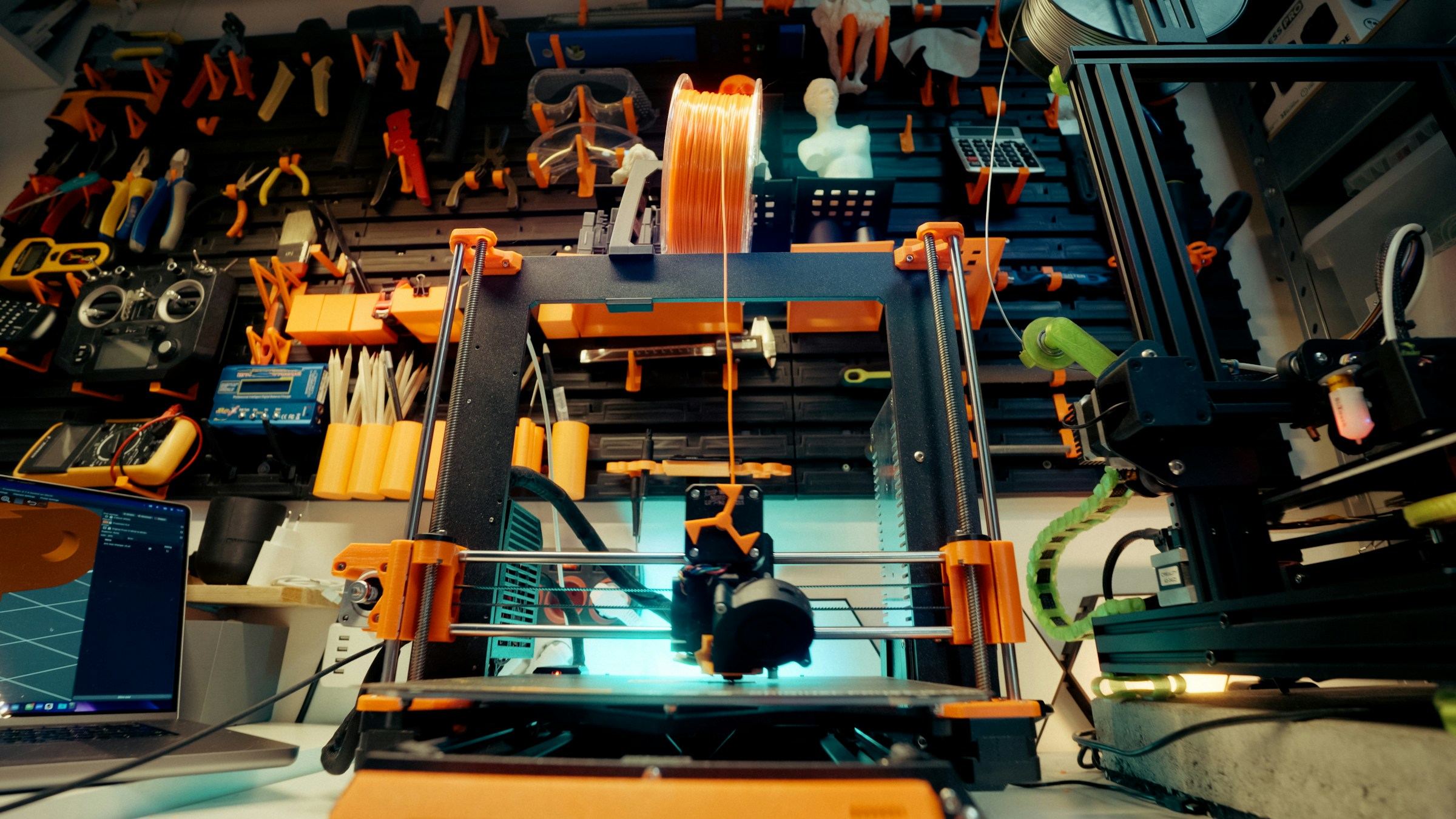
A design meets the material.
Prototype the next version.
Move from a CAD idea to a physical part, then use measurements and failure to decide what to change.
- Observe the work
- The printed part reveals a fit, tolerance, or material problem.
- Reason about the next step
- Compare the design with the physical result; research a change and choose the smallest useful revision.
- Act and learn
- Print, test, and bring the measurements back into the conversation.
These illustrative future workflows show possible forms of AI assistance through photographs of physical work. They are research ideas, not measured or deployed capabilities.
From chat
to the world.
A world
worth working on.
The ambition reaches across the things people make, maintain, investigate, and learn.
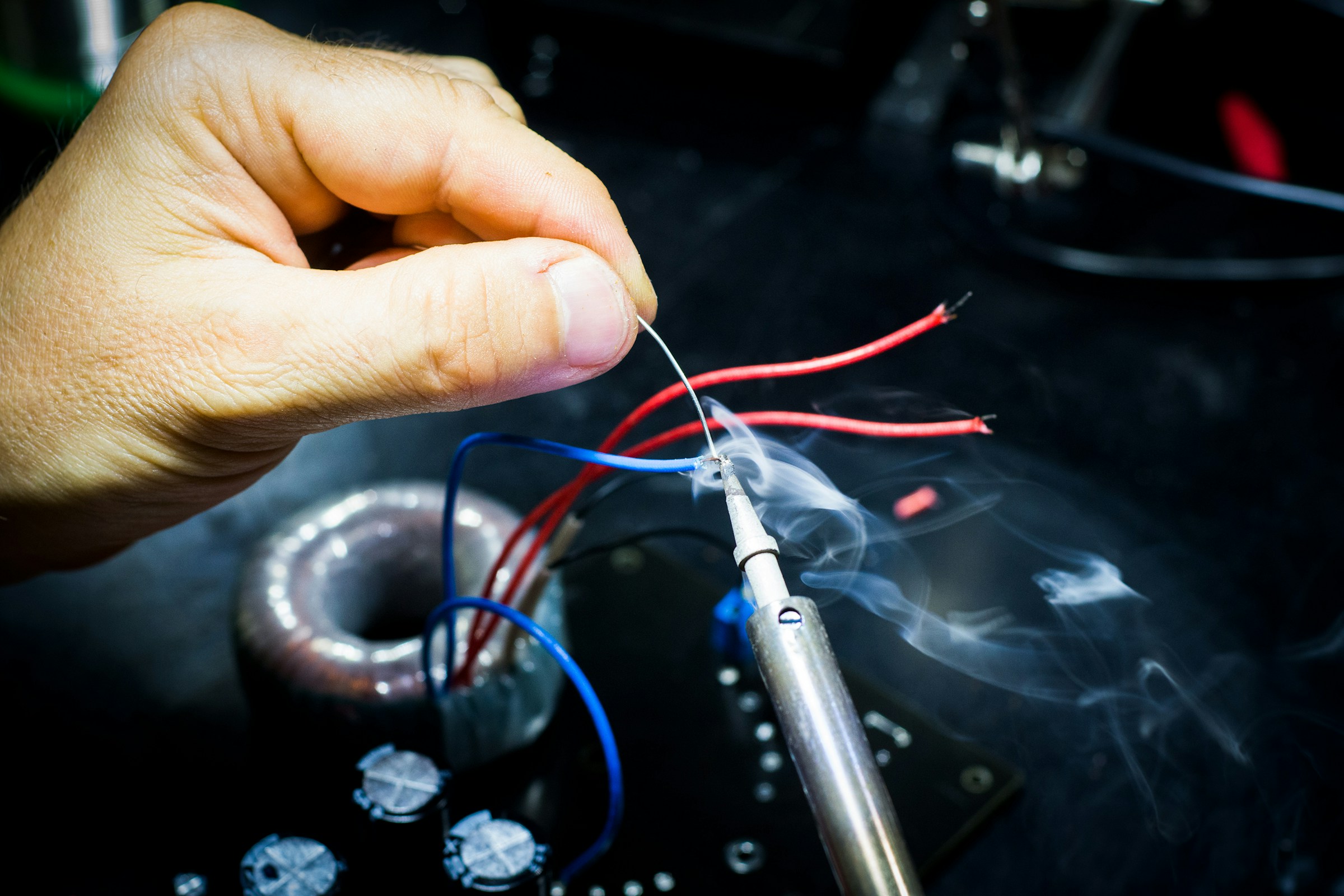
Make the idea tangible.
Move between a design, a physical prototype, and the details only a real test reveals.
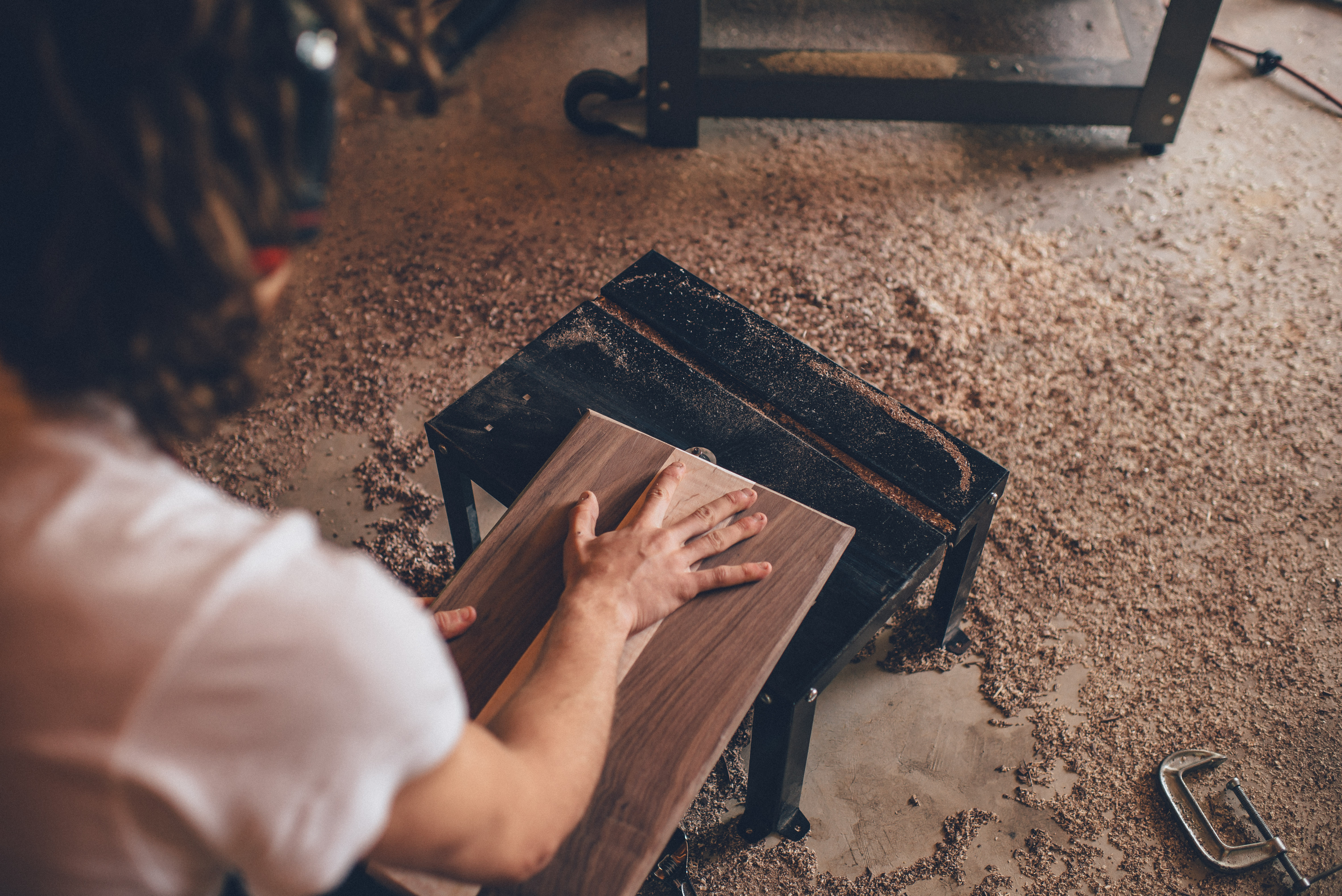
Build for the unknown.
Connect design, fabrication, and careful testing to pursue ambitious physical systems.
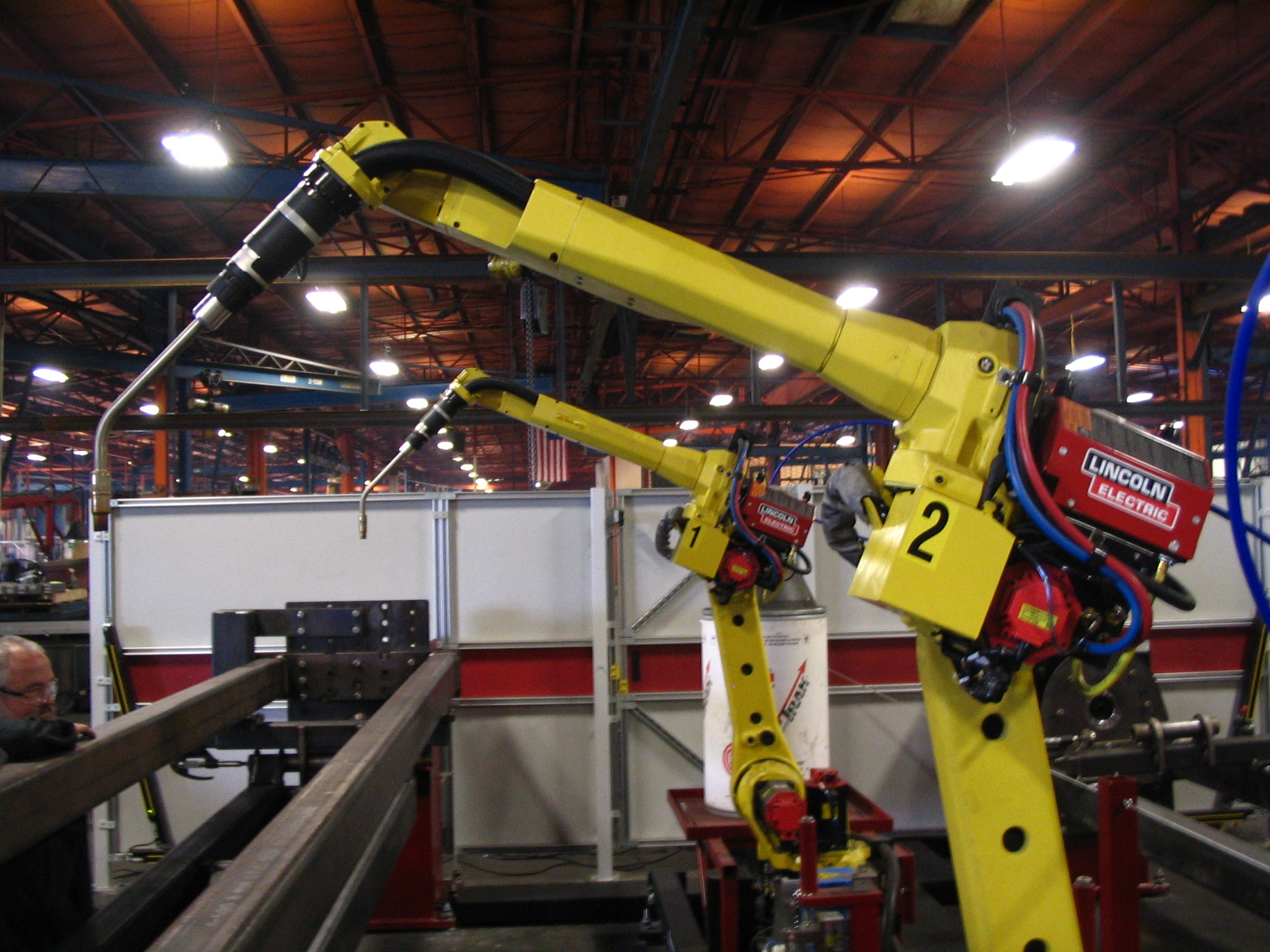
Learn by debugging.
Read the signals, isolate the fault, and let a careful test turn uncertainty into evidence.
AI could work on the design, research, and calculations while you work with the world.
Explore the research directionsThese photographs illustrate possible domains of assistance. They do not depict our experiments or team.
More capable,
more connected.
Our hypothesis: persistent state, long-horizon planning, useful tools, and feedback can reinforce one another.
Persistent world state
A consistent account of the work.
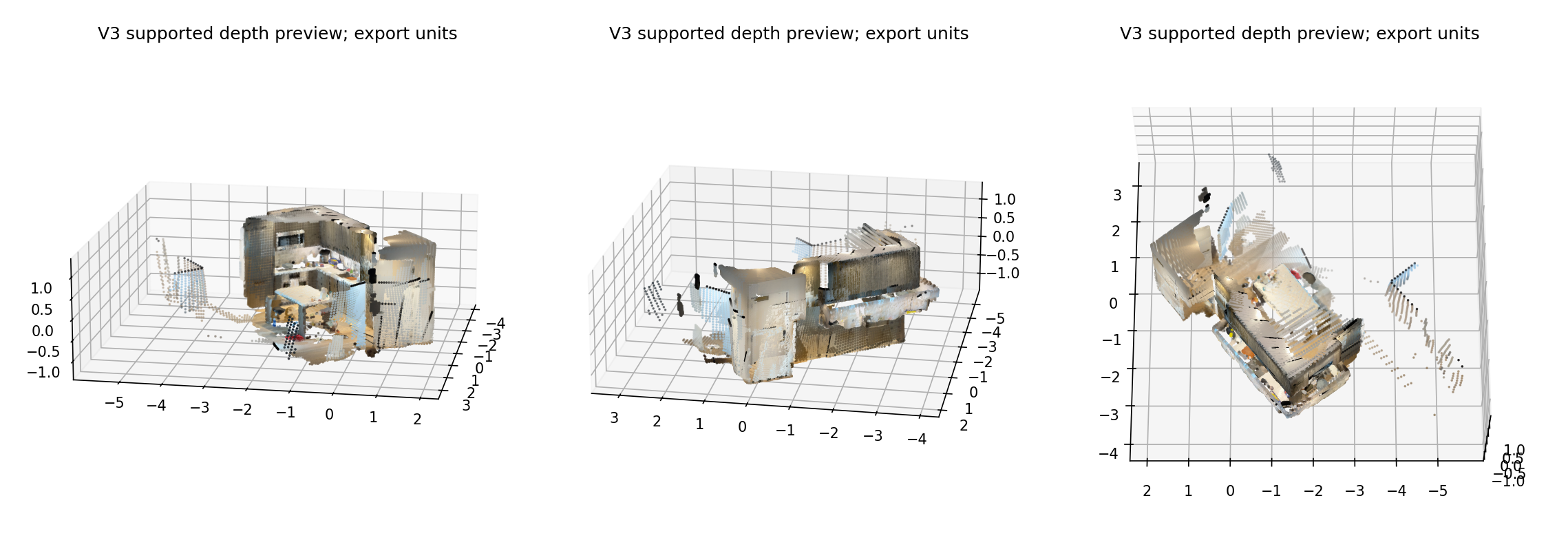
A useful assistant needs a consistent account of objects, locations, task state, uncertainty, and what may happen next. Learned world models may eventually help; for now, we are testing the foundations with explicit state and grounded observations.
Question to test: does better scene fidelity improve decisions and recovery?
Long-horizon agents
Research and planning across many steps.
Long tasks need memory, revision, and useful tools. While a person works, an agent could research a component, calculate a dimension, write code, update CAD, and choose the next useful action.
Question to test: which supporting tasks reduce human effort without adding errors?
Learning from interaction
Feedback that carries forward.
Observations, instructions, corrections, and verified outcomes could reveal the decisions people quietly supply and help an assistant improve on related work.
Question to test: where does AI guidance help compared with a written procedure?
Human–agent coordination
The right information at the point of action.
A person, an AI, instruments, and eventually robots may each contribute different capabilities. The interface should make handoffs, uncertainty, and feedback visible.
Question to test: what information matters most at the point of action?
How close
are we?
A future to work toward.
A question we can investigate.
Useful assistance depends on staying grounded in the situation. Can an AI understand what a person sees, give an actionable instruction, notice when something goes wrong, and help recover?
We’re building environments and experiments that make this closed loop inspectable. Our first controlled experiment asks an AI to guide a simulated person through cooking tomato-and-egg stir-fry.
The kitchen point cloud below comes from our actual depth capture. The factory and object clouds are illustrative studies, not captured environments or tested capabilities.